
Eye symptoms · Reservoir
Double vision: when to seek help.
Seeing two images of one object is called double vision, or diplopia. The first question is how quickly it started—not whether you need new glasses.
Understanding the symptom
Double vision can happen in different ways.
Images may appear side by side, one above the other, overlapping or like a faint shadow. Symptoms can be constant or occur only at certain distances or in particular directions.
Double vision in one eye
Monocular double vision remains when looking through the affected eye alone. Possible causes include astigmatism, cataracts and problems with the eye’s surface.
Double vision with both eyes open
Binocular double vision disappears when either eye is covered. It can involve eye alignment, muscles or nerves. The appearance alone cannot establish the cause.
These descriptions help explain what a clinician may ask. They are not a home test for ruling out a serious problem. Read Newcastle Hospitals’ explanation of diplopia.
Local advice for ongoing symptoms
Not sudden? Still arrange an assessment.
Double vision that develops gradually or comes and goes should be checked. New eye pain with double vision warrants urgent medical advice. Tell the clinician when symptoms began and whether they have changed.
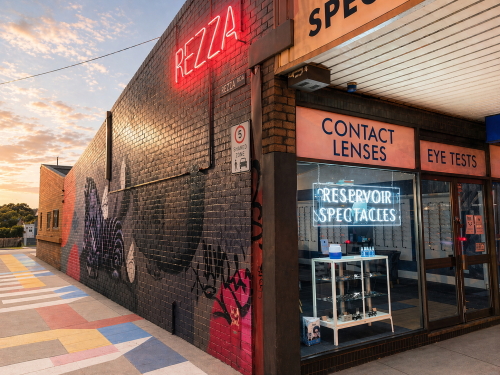
For longstanding, unchanged symptoms without emergency warning signs, call Reservoir Spectacles on (03) 9460 8017 to discuss an appropriate appointment. Our Contact page has opening information and a map.
Assessment may lead to an updated prescription, further medical investigation or referral to an eye specialist, depending on the cause. Glasses are not the answer to every type of double vision.
Practical questions
Can I drive?
Do not drive while experiencing double vision. Arrange safe transport and seek individual advice before resuming driving. Austroads’ driving guidance explains why diplopia requires assessment; this page does not determine licence eligibility.
What about children?
Children may close one eye, tilt their head or struggle to describe what they see. These signs are not a diagnosis, but deserve an assessment. Sudden double vision needs emergency care. Read about children’s eye checks for non-emergency concerns.
For an appointment, bring your current glasses and a list of medicines, and describe any previous eye treatment. Do not delay emergency care to gather these details.
General information, checked against the linked sources on 31 August 2026. This does not replace an individual examination. Appointment and treatment decisions depend on clinical assessment.