
Children’s eye tests in Reservoir
Eye tests with dilating drops: a guide for parents.
Some children need eye drops during an eye examination to help measure their prescription. This is called a cycloplegic eye test. Knowing what to bring and what to expect afterwards can make the visit easier.
Why drops may be recommended
A clearer measurement of the prescription.
Cycloplegic drops temporarily relax the eyes’ focusing system. They also enlarge the pupils, helping the clinician examine the back of the eyes. The drops can sting briefly when they go in.
This examination can help assess long-sightedness, short-sightedness and astigmatism. Your clinician will explain why it is appropriate for your child. Not every eye test involves the same tests or drops.
Before the visit
Three things to prepare.
Check the arrival time
For a booked cycloplegia appointment, Reservoir Spectacles asks families to arrive 30 minutes early so the drops have time to work. Follow any individual instructions in your appointment message.
Bring everyday essentials
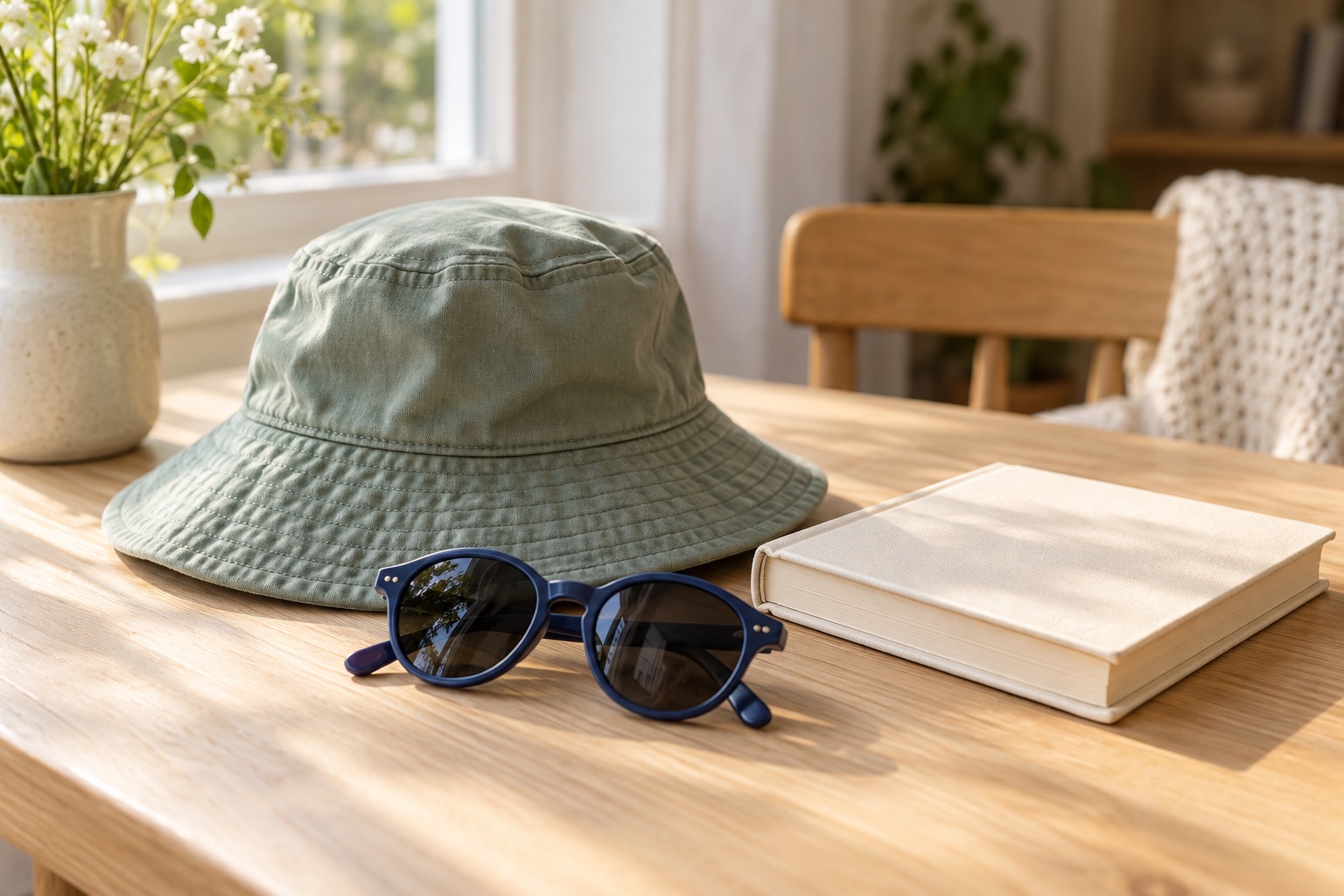
Pack your child’s glasses, appointment or school referral letter, sunglasses or a hat, and a familiar activity for the wait. Ask the team if you are unsure how much time to allow.
Share the health history
Tell the clinician about medical conditions, medicines and allergies, particularly any previous reaction to eye drops. The choice of drops depends on the child and the examination.
After the drops
Allow for temporary blur and light sensitivity.
Keep bright light comfortable
Sunglasses or a hat can help with glare. Stay with your child while their vision is affected and follow the clinician’s advice about activities.
Do not rely on a fixed recovery time
Near work may be blurry for several hours. Enlarged pupils and light sensitivity can continue into the next day and occasionally longer, depending on the drops. Ask what is expected for your child.
If reading or schoolwork is difficult afterwards, let the teacher know about the examination. Contact the clinic if the effects are worrying you or are lasting beyond the timeframe you were given.
When to get medical help.
Severe eye pain, a severe headache with vomiting, or unusual confusion, marked drowsiness or behaviour changes after drops need prompt medical assessment. For difficulty breathing, facial or tongue swelling, collapse or a seizure, call 000.
Use any take-home drops only as specifically prescribed for your child. Never share them. For accidental swallowing or too much medicine, call the Poisons Information Centre on 13 11 26, even if the child seems well.
Choosing the right pathway
School-program support or a regular eye test?
If the appointment follows a school referral, see our Glasses for Kids family information for results and follow-up support. That program is accessed through participating schools. For a general appointment, read about children’s eye tests at Reservoir Spectacles.
Further reading
This guide supports the instructions given at your child’s appointment. It does not replace individual advice.