Glaucoma and eye health
Glaucoma eye checks in Reservoir
Glaucoma checks look beyond eye pressure. A thorough eye examination can find concerning changes before you notice a problem with your sight.
At Reservoir Spectacles, we take time to assess your eye health, explain the findings clearly and recommend the next step. If further investigation or treatment is needed, we can arrange an appropriate referral.

Understanding glaucoma
What is glaucoma?
Glaucoma is a group of eye conditions that damage the optic nerve. Raised pressure inside the eye is an important risk factor, but glaucoma can also occur when an eye-pressure reading is within the usual range. An eye-pressure check by itself therefore cannot rule glaucoma in or out.
Vision loss from glaucoma is permanent, but finding the condition early gives people the best opportunity to protect their remaining sight with appropriate care.
Risk and regular checks
Who may benefit from a glaucoma eye check?
Anyone can develop glaucoma. Your risk may be higher if you:
- have a parent, sibling or child with glaucoma;
- are over 50;
- have high eye pressure;
- are short-sighted or long-sighted;
- have diabetes;
- have used steroid medicines for a long time; or
- have had an eye injury or eye operation.
Your optometrist can recommend a review interval based on your age, family history, examination findings and other risk factors. If you have a close relative with glaucoma, mention this when booking.
A thorough assessment
What may be included in the examination?
A glaucoma assessment is broader than a single pressure reading. Depending on your history and clinical findings, an examination may include:
Eye pressure
Measuring the pressure inside each eye and interpreting it alongside the rest of the examination.
Optic nerve assessment
Examining the optic nerves and retina, with OCT or retinal photography when clinically appropriate.
Visual fields
Checking central and peripheral vision with visual-field testing when indicated.
Other eye structures
Assessing other structures of the eye when they are relevant to your risk or findings.
Not every test is needed at every visit. We will explain which checks are appropriate for you and whether comparison over time, an earlier review or referral to an ophthalmologist is recommended.
Before your visit
A little preparation helps.
Your family history
Tell us if a parent, sibling or child has glaucoma. If you know when they were diagnosed, bring that information too.
Your current care
Bring your glasses, a list of medicines and eye drops, and any available eye-health reports or specialist letters.
Your questions
Ask what the results mean, whether any further testing is needed and when your next review should be.
Ongoing care
Already diagnosed or being monitored?
If you have been diagnosed with glaucoma or told you are a glaucoma suspect, bring your current medicines and any available reports to your appointment. Follow the review plan set by your optometrist or ophthalmologist and do not stop prescribed glaucoma medicine unless the clinician managing your care tells you to do so.
If eye drops are part of your prescribed care, our guide to using eye drops covers practical technique. Follow your own clinician’s instructions for the medicine and timing.
Most open-angle glaucoma develops without sudden symptoms. A painful red eye with blurred or worsening vision, halos around lights, nausea or vomiting can indicate an acute eye emergency.
If these symptoms start suddenly, go to the nearest hospital emergency department or call Triple Zero (000). Do not wait for a routine appointment. For other new eye symptoms, see our urgent eye care guide or call us promptly for guidance. If you need urgent assessment and cannot reach us, seek urgent medical care; do not wait for the practice to reopen.
Frequently asked questions
Common questions about glaucoma checks.
Can glaucoma be detected from eye pressure alone?
No. Eye pressure is important, but glaucoma assessment also considers the optic nerves, visual field, eye structures, risk factors and changes over time.
Does glaucoma always cause symptoms?
No. The most common form can progress gradually without obvious early symptoms. Regular eye examinations can identify concerning signs before a person notices a change.
Will I need every glaucoma test at each visit?
Not necessarily. The tests recommended depend on your history, risk and examination findings. Your optometrist will explain what is appropriate and how often you should return.
What does “glaucoma suspect” mean?
It means there are findings or risk factors worth monitoring, rather than a confirmed diagnosis. Keep your recommended reviews so your clinician can compare results over time and decide whether further tests or treatment are needed.
Can an optometrist refer me to an ophthalmologist?
Yes. If the examination identifies findings that need specialist assessment or treatment, we can arrange an appropriate referral and share relevant results.
Book in Reservoir
Book a thorough eye examination.
If you are due for an eye test, have a family history of glaucoma or have been advised to monitor your eye pressure or optic nerves, contact Reservoir Spectacles. We will assess your eyes carefully and explain the findings in plain language.
You may also find these pages helpful: Comprehensive Eye Tests and Diabetes Eye Checks.
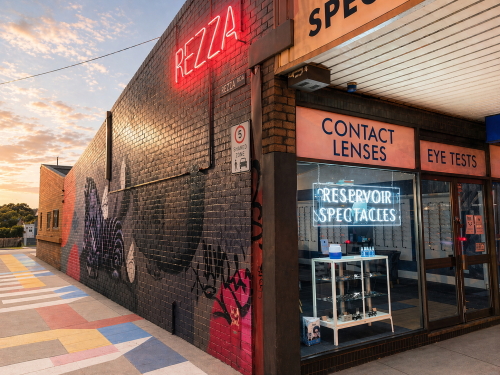
Visit Reservoir Spectacles at 2C Edwardes Street, Reservoir VIC 3073. See our eye care services or contact details.
Patient information reviewed 3 October 2026. Search metadata and internal links reviewed 13 October 2026. Sources: Healthdirect Australia and Glaucoma Australia, including its glaucoma suspect guide.