
Eye injuries and foreign bodies
Eye injuries: first aid and urgent help in Reservoir.
A chemical splash, flying particle and loose speck of dust need different responses. Start the right first aid and get help without waiting for an online appointment.
Use clean, gently running cool water for at least 20 minutes while help is arranged. Call 000. A piercing injury, embedded object or sudden loss of vision also needs immediate emergency care.
Chemical exposure
Rinse immediately, then keep rinsing.
Do not wait to find special eyewash. Use clean running water and hold the eyelids apart with clean fingers so water reaches the eye. Turn your head towards the injured side, keeping the flow away from the other eye.
Keep flushing for at least 20 minutes. Have someone call 000 while you rinse if possible, and follow the emergency operator’s instructions. Remove a contact lens if it comes out easily, without delaying rinsing; do not force it.
Tell the treating team what product was involved. Do not judge the damage by how much it hurts or assume improvement means the eye is safe. Better Health Channel explains chemical eye burns.
Objects and particles
Leave stuck objects alone.
Embedded object or high-speed particle
Do not pull it out, rub the eye or apply pressure. Protect the eye from further contact and go straight to an emergency department. An injury while grinding, drilling or hammering metal needs urgent medical assessment even if the mark looks small. Call 000 for a severe injury.
A loose surface speck
For loose dust or grit, with no penetrating injury or high-speed impact, gently rinse with clean water or sterile saline. Do not dig around with fingers, tweezers or cotton buds. If the particle remains, the gritty feeling continues or vision is affected, seek prompt assessment.
Healthdirect’s object and chemical eye guide explains when medical help is needed. Do not use leftover drops or ointment to treat an injury yourself.
Scratches, knocks and warning signs
An eye can need care without an obvious wound.
A scratch or foreign body can cause pain, watering, light sensitivity or blurred vision. A clinician needs to examine the eye to assess the damage. Worsening pain, bleeding, difficulty opening the eye or any change in sight needs urgent attention. Severe trauma or sudden vision loss belongs in emergency care.
If the injury is severe, do not persist in trying to examine it yourself. Avoid pressure and rubbing. For other sudden symptoms, see our urgent eye-care guidance and flashes and floaters guide.
After an assessment
Follow the treatment and review plan.
Use only the advised treatment
Follow the clinician’s instructions for any prescribed drops. Our eye-drop technique guide can help with clean handling after treatment is recommended.
Pause contact-lens wear
Leave lenses out until your treating clinician says it is safe to restart. Do not drive with an eye patch or while vision is impaired.
Keep the follow-up
Attend the recommended review. Seek urgent reassessment if pain, redness or vision worsens, including after a particle has been removed.
Prevention
Match protection to the hazard.
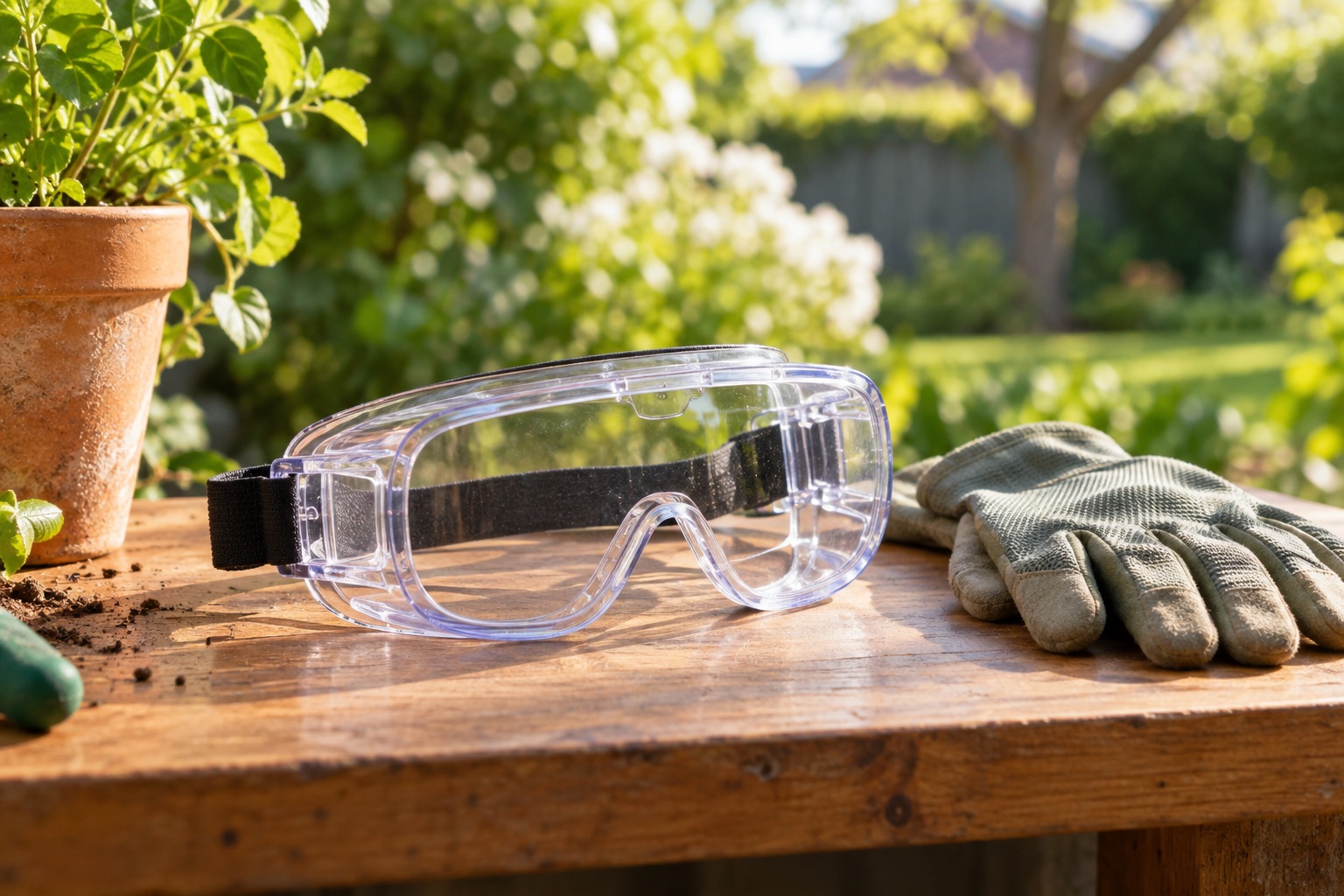
Ordinary glasses and sunglasses are not a substitute for suitable protective eyewear. Flying debris and chemical splashes may require different protection. Follow workplace safety advice and the product’s handling instructions, and keep bystanders away from flying particles.
Better Health Channel’s foreign-body guide covers protection, assessment and recovery.
For a non-emergency eye concern, call the practice.
Describe what happened, when it happened and any change in sight. Reservoir Spectacles can advise the next step. If we are closed or cannot be reached, seek urgent medical care for pain, light sensitivity or vision changes. Do not wait for a message reply. For chemical exposure or a serious injury, follow the emergency steps above.
Further first-aid information
St John Ambulance Australia: eye injuries. This guide supports first aid and does not replace an examination. Information checked September 2026.