Blurred vision in Reservoir
Blurred vision: when to book an eye test and when to seek urgent care
Blur can come from a change in prescription, an eye-surface problem or an eye-health or medical condition. The timing, whether one or both eyes are affected, and any other symptoms help determine how quickly you need care.
A gradual change deserves an eye examination. Sudden blurred vision or vision loss should be investigated urgently.
Start with the pattern
What changed, how quickly and in which eye?
Sudden or gradual
Blur that appears over seconds, minutes or hours has a different urgency from a slow change noticed over weeks or months.
One eye or both
Cover each eye in turn without pressing on it. Note whether the blur affects one eye, both eyes or only part of the visual field.
Constant or task-related
Is it present all day, only at distance, only while reading, after screen use, at night or while wearing contact lenses?
Also note pain, redness, light sensitivity, flashes, new floaters, a shadow or curtain, double vision, headache, weakness, numbness or speech difficulty.
Possible explanations
Blurred vision is a symptom, not a diagnosis.
Focusing and prescription
Short-sightedness, long-sightedness, astigmatism and presbyopia can cause gradual blur at particular distances. An outdated prescription may also become noticeable during driving, reading or close work.
Eye surface and contact lenses
An irritated eye surface or contact-lens problem can make vision fluctuate. Remove contact lenses if an eye becomes red, painful, light-sensitive or unexpectedly blurred, and seek prompt advice.
Eye-health or medical causes
Cataract, retinal problems, diabetes-related changes and other eye or medical conditions can affect vision. An examination helps decide whether further medical or ophthalmology care is needed.
Urgent warning signs
Sudden vision change should not wait for a routine appointment.
Go to an emergency department or call triple zero (000) if vision changes occur with facial droop, weakness or numbness on one side, slurred speech, confusion, loss of balance, severe headache or other possible stroke symptoms.
Urgent eye assessment is also needed for severe eye pain, a red painful eye with blur, marked light sensitivity, new flashes or many floaters, a shadow or curtain in vision, a chemical splash, a high-speed foreign body or a significant eye or head injury.
See our Medical & Urgent Eye Care guide. If you cannot reach an optometrist or doctor promptly, attend the nearest emergency department. Do not drive yourself if your vision is unsafe.
Your appointment
What an eye examination can check.
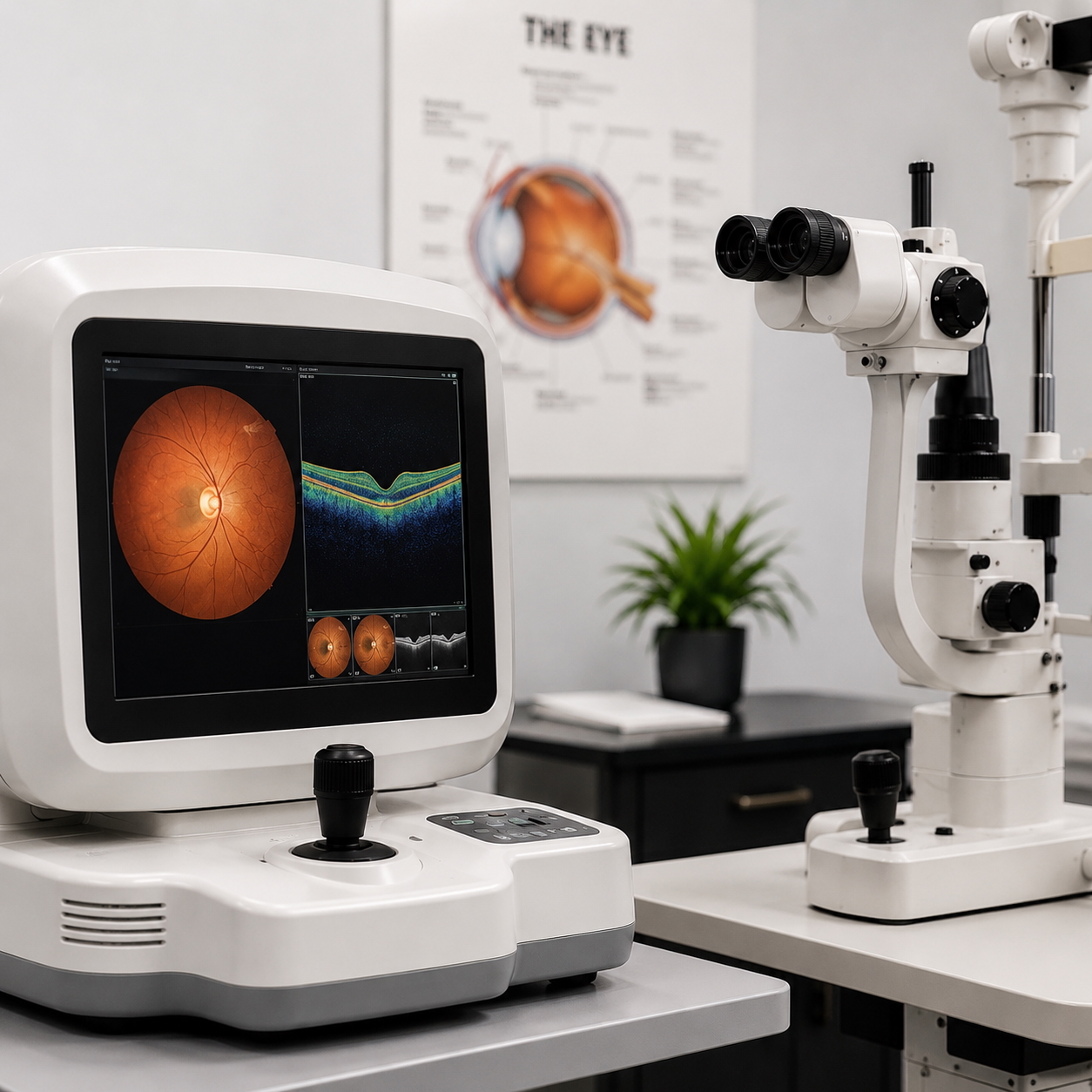
We can measure distance and near vision, compare the two eyes, assess your prescription and examine eye health. Additional tests are selected according to symptoms, age, health history and clinical findings.
Bring your current glasses and contact lenses, a medicines list and details of when the blur began. If it comes and goes, note what you were doing, how long it lasted and whether anything else happened at the same time.
Read about our comprehensive eye tests in Reservoir.
Related information
Follow the pathway that best matches your symptoms.
Flashes or floaters
A sudden increase can be a retinal warning sign. Read our Flashes and Floaters guide.
Double vision
Seeing two images is different from blur and may need urgent assessment. See our Double Vision guide.
Diabetes
Diabetes can affect vision and eye health. Learn about diabetes eye checks and KeepSight reminders.
Australian patient information
Sources used for this guide
See Healthdirect: Blurred vision, Healthdirect: Eye care, Healthdirect: Stroke and the Royal Victorian Eye and Ear Hospital’s 2026 ophthalmology referral guidance.
Eye tests in Reservoir
Has your vision become less clear?
For a gradual change, book an eye test. For sudden blur, vision loss or warning symptoms, seek urgent care.