
Eye twitching in Reservoir
Eye twitching: common triggers and when to seek advice
A small, rapid flicker in an upper or lower eyelid is common and usually harmless. It often settles without treatment, although a persistent twitch or other eye and facial symptoms deserve assessment.
An eyelid twitch is different from the eye itself moving. If you are unsure what is moving, or your vision is affected, arrange an assessment rather than relying on the description alone.
What it can feel like
Most everyday eyelid twitches are brief and mild.
A flutter or flicker
You may feel a quick movement in the upper lid, lower lid or both. It can be more noticeable to you than to someone looking at you.
It comes and goes
A twitch may last briefly or recur over hours or days. Mild episodes commonly settle on their own.
Usually not painful
Marked pain, swelling, discharge, significant redness or a change in vision suggests that more than a simple twitch may be present.
Common triggers
Tiredness, stress and visual strain can contribute.
Healthdirect lists stress, fatigue, eye strain, dry or irritated eyes, excess caffeine or alcohol, and some medicines among possible triggers. Sometimes there is no obvious single cause.
If you think a medicine may be contributing, discuss it with your GP, pharmacist or prescribing clinician.
If the twitch appears during long periods of screen or close work, regular breaks and a comfortable work setup may help. See our practical guide to digital eye strain.
What you can try
Simple changes may help a mild twitch settle.
Rest and reset
Aim for enough sleep, take breaks from sustained close work and make time to manage stress where possible.
Review caffeine and alcohol
If intake has increased, reducing it may be worth trying while you observe whether the twitch changes.
Avoid rubbing
Rubbing can add irritation. If the eye feels dry, gritty or sore, ask an optometrist, doctor or pharmacist about suitable care.
Keeping a brief note of timing, sleep, screen use and other possible triggers can make a recurring pattern easier to discuss.
When to arrange an assessment
Seek advice when it persists or is not only a small eyelid flicker.
Healthdirect recommends seeing a doctor if twitching lasts for two weeks or more, closes the eyelid, occurs in other parts of the face or body, or is accompanied by a drooping eyelid, redness, swelling or discharge.
Arrange prompt eye care if there is pain, a new change in vision, significant light sensitivity or an injured eye. See our urgent eye care information or call us if you are unsure how quickly you should be seen.
Sudden weakness, facial droop, difficulty speaking or other acute neurological symptoms require urgent medical assessment.
What an eye check may involve
Looking for visual or eye-surface factors.
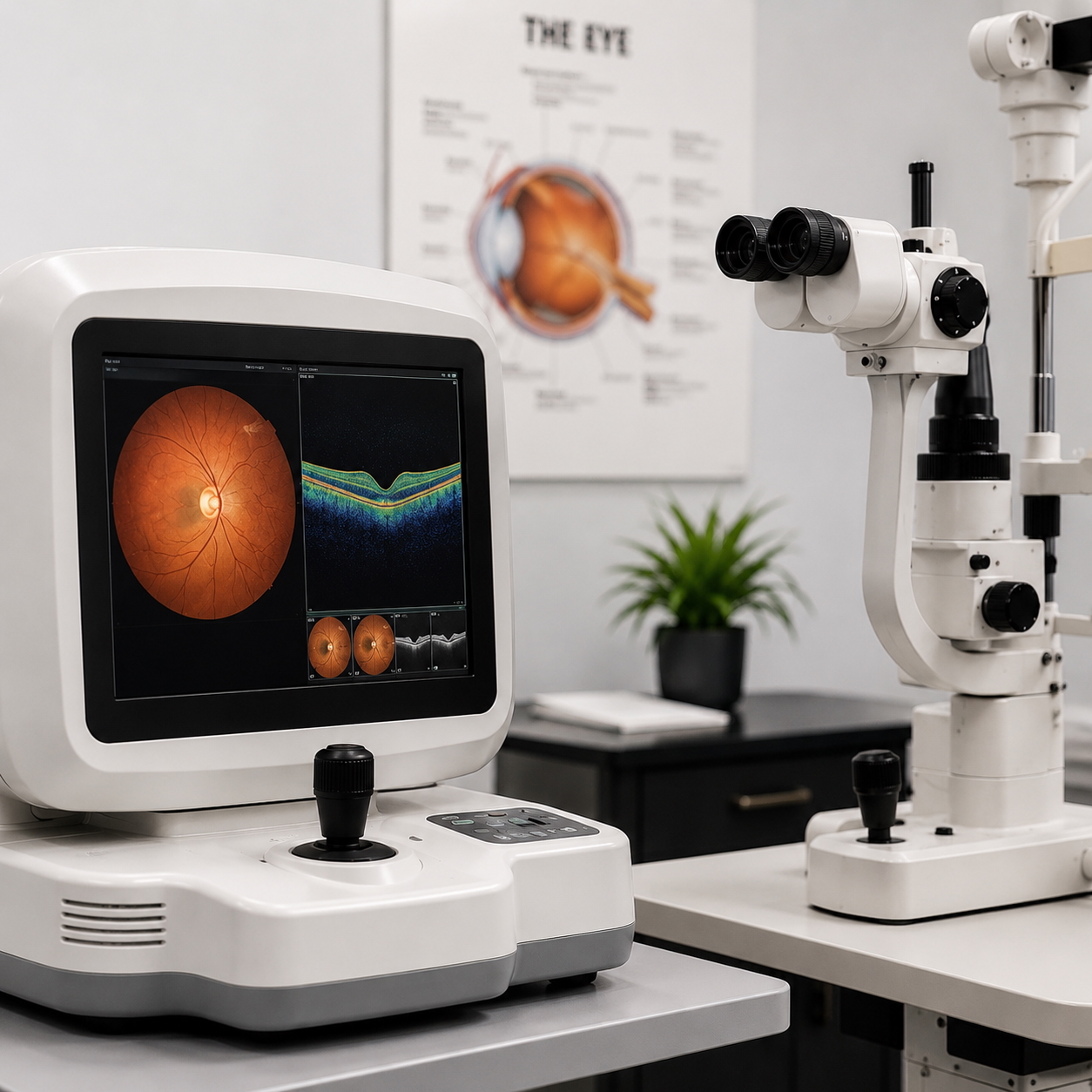
We can ask about the pattern, duration, medicines, general health, screen use and any symptoms elsewhere. An eye examination can check vision, prescription and the front of the eye for signs of irritation or another eye problem.
If the pattern suggests a condition outside routine optometric care, we can recommend review with your GP or an appropriate specialist. Read more about our comprehensive eye tests in Reservoir.
Australian patient information
Sources used for this guide
See Healthdirect: Twitching eye and the Victorian Government’s Better Health Channel information on common eye problems.
Eye checks in Reservoir
Has the twitch continued or changed?
Book an eye test for a persistent twitch or associated eye symptoms, or call Reservoir Spectacles if you are uncertain which type of care is appropriate.