
Practical eye-care advice in Reservoir
How to use eye drops safely.
A clean technique and clear instructions can make eye drops easier to manage. This guide covers handling, spacing and storage after a health professional has recommended a product.
Your bottle label and individual treatment plan come first. Eye drops have different purposes; a product that helped someone else may be unsuitable for your eyes.
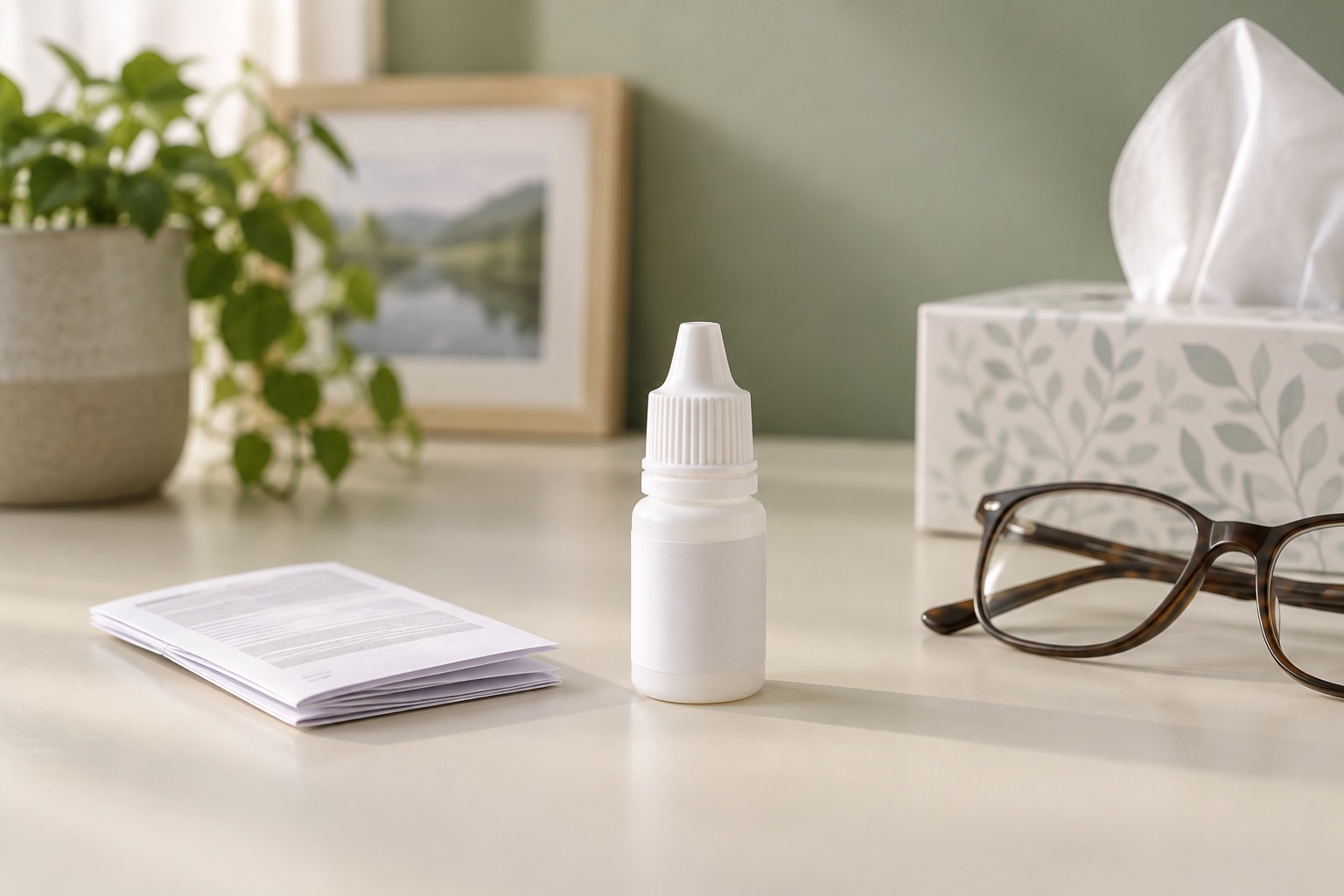
Before you begin
Check the product, eye and timing.
Read the name, prescribed amount and which eye to treat. Check the expiry and after-opening limit. Some products need shaking or special preparation; follow their instructions. Never use another person’s drops or change a prescribed schedule without advice.
For an unfamiliar sore or red eye, ask an optometrist, pharmacist or doctor what is appropriate before choosing drops. Our red-eye guide explains why similar symptoms can have different causes.
A steady technique
Put the drop in without touching the nozzle.
1. Prepare
Wash and dry your hands. Open the bottle without touching its tip. Sit comfortably or lie down, with your head tilted back.
2. Make a small pocket
Look up and gently lower the bottom eyelid. Hold the nozzle above the pocket, clear of your eye, lashes and skin. Apply the amount directed on your label; many medicines need one drop.
3. Close gently
Close your eye without squeezing. The Eye and Ear Hospital advises gentle pressure at the inner corner beside the nose for 1–3 minutes to reduce drainage into the nose. Follow any different instructions from your treating team.
4. Finish cleanly
Dab liquid from your cheek with a clean tissue, replace the cap and wash your hands. Treat the other eye only if directed.
See the Royal Victorian Eye and Ear Hospital’s eye-drop instructions for a printable reference.
Common questions
Different drops need a little planning.
More than one product?
Leave at least five minutes between different eye medicines unless your treating team gives another interval. Drops generally go before gels and ointments. Ask for a written schedule if you are unsure.
Wearing contact lenses?
Check whether the product can be used with your lenses in. Many medicated drops require removal and a wait before reinsertion. The interval depends on the product; follow the label and your clinician’s advice.
Missed a dose?
Check the medicine leaflet or ask your pharmacist what to do. Do not add extra doses to catch up. A reminder can help you follow the schedule you have been given.
For everyday lens handling, see our contact-lens care guide.
Between doses
Storage and discard dates matter.
Keep drops out of children’s reach and follow the storage temperature on the pack. Avoid leaving them in a hot car. Ask a pharmacist about a bottle stored incorrectly, a damaged container or a tip that has touched another surface.
Record when a bottle was opened. Use its stated discard date, even if liquid remains; not every bottle has the same limit. Follow the disposal instructions for single-use containers rather than saving leftovers for another day.
Glaucoma Australia’s eye-drop guidance includes practical handling and reminder advice. People using prescribed glaucoma drops should keep their treatment and review plan even when vision feels unchanged.
Ask for help
Struggling with the bottle is worth mentioning.
Tell your pharmacist or eye-care team if aiming, squeezing or remembering drops is difficult. A demonstration, help from another person or an appropriate application aid may make the routine more manageable. Bring your actual bottle and instructions so advice fits the product.
Do not cover up urgent symptoms with drops.
A painful red eye, light sensitivity or reduced vision needs prompt assessment. A red or painful eye in a contact-lens wearer needs same-day care: remove the lenses and leave them out. Sudden vision loss or severe pain needs immediate emergency care. Do not wait for a routine appointment or email response. See our urgent eye-care guidance.
Some drops temporarily blur vision. Wait until you can see clearly before driving or using machinery. Report suspected side effects to your treating clinician or pharmacist.
Bring your eye-drop questions to Reservoir Spectacles.
Call us to discuss an eye concern or arrange an eye examination. For questions about a prescribed medicine’s dose or storage, your dispensing pharmacist or prescribing clinician can check the exact product.